
Alphabet toys and early phonics

Alphabet toys and early phonics
Alphabet toys look interchangeable and are not. Some teach the name of a letter, some teach the sound it usually makes, and some teach the shape of it as an object. Those are three separate pieces of learning and they are useful at different points.
Knowing which a toy does makes the shelf much easier to shop, and prevents buying three that all do the same thing.
Names versus sounds
The letter is called “em”; it usually makes the sound “mmm”. Reading is built on the second. A toy that only teaches names is teaching something children enjoy and that does relatively little for early reading.
Toys and books that pair a letter with a sound and a word beginning with it are doing the more useful job.
Shape comes first, and it is physical
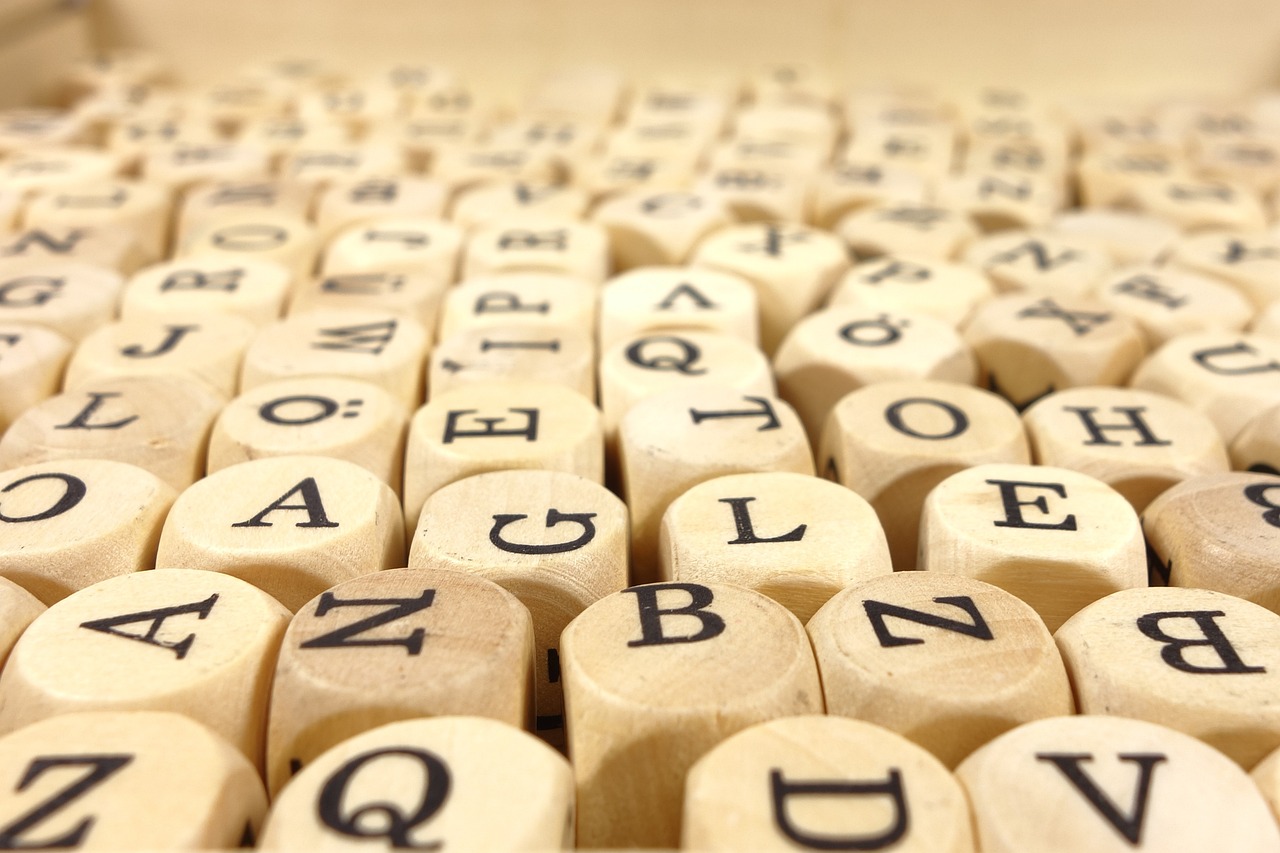
Before either, a child recognises a letter as a shape. Chunky wooden letters, inset puzzles and letters that can be held and traced work at this stage, because the learning is happening through the hands.
This is why a wooden alphabet puzzle earns its place long before any interest in reading.
Lower case matters more than capitals
Most text a child will meet is lower case, and most alphabet toys are capitals because capitals are easier to mould and easier to read at a distance. A toy that includes lower case is more useful, and rarer.
Where a set includes both, it is on the listing.
Self-correcting puzzles
An inset puzzle where each letter fits only its own space gives feedback without an adult. That is what allows a child to work alone, and it is why this format has survived unchanged for decades.
Look for pieces that seat cleanly rather than sitting proud, and for a board thick enough not to warp.
Audio toys and what they add
Toys that say the sound when a letter is placed do genuinely add something at the sound stage, because the pairing is immediate. The risk is the ones that also play music, congratulate and count — the extra features dilute the pairing.
A toy that does one thing per press is worth more than one that does five.
Reading pens and tap-to-read books
These pair a printed word or letter with a spoken sound on demand, which is a reasonable model of what an adult reading alongside does. They suit a child who is already interested and who can be left to explore.
They do need batteries and charging, which is worth knowing before buying as a gift.
Magnetic letters
Cheap, durable and endlessly rearrangeable on any metal surface. Their real value comes slightly later, when a child starts building words rather than identifying letters, and a set with multiple vowels is far more useful than one with a single copy of each letter.
Check the count of duplicates before buying.
Writing comes much later
Forming letters requires hand strength and control that arrive well after recognition. Drawing boards and tracing toys are useful for the pre-writing stage, but expecting written letters early creates frustration on both sides.
Free drawing does more for that stage than tracing does.
What order actually helps
Shape, then sound, then name, then building words. Toys bought in that order all get used. Toys bought in reverse tend to sit on a shelf until the child catches up.
There is more on reading stages in choosing toys by stage, not by age.
Second languages
Households using more than one language often want letter toys in both, and sound-based toys are the ones that transfer least well, since sounds differ. Shape and name toys are more portable across languages.
Worth thinking about before buying an audio set.
How much is enough
One good tactile alphabet and one sound-based toy covers this whole area. Beyond that the returns fall off quickly, and the budget is better spent on books.
That is genuinely the advice we give at the counter.
Where to look
The shelf is alphabet and phonics toys, with earlier-stage options on Montessori and sorting toys and drawing boards under interactive globes and drawing.
The shop is on Newbury Street, open every afternoon; details on the contact page.
What books do that toys cannot
It is worth a shop saying plainly that the highest-value thing on this list is not on this list. Reading aloud does more for early literacy than any alphabet toy, and it does it by putting letters, sounds and meaning together in a context a child cares about. Letter toys support that; they do not substitute for it, and a household choosing between the two should choose books.
Where the toys genuinely help is in the gaps — the twenty minutes where nobody is available to read, or the child who wants to handle letters rather than look at them. A tactile alphabet on a shelf gets picked up between other things, and that repeated incidental handling is what makes letter shapes familiar. Two toys and a library card is a better shelf than six toys.